Review: Two-Tone Pastel Daisy Embroidery Design
As a designer who has spent countless hours digitizing and testing machine embroidery design files, I have developed a keen eye for what works in the hoop versus what only looks good on a screen. Recently, I pulled up the Two-Tone Pastel Daisy Flower Embroidery Design to evaluate its potential for my upcoming spring collection. This is not just another generic floral motif; it is a stylized piece that balances simplicity with texture, making it a strong contender for various embroidery project applications.
First Impressions and Visual Mood
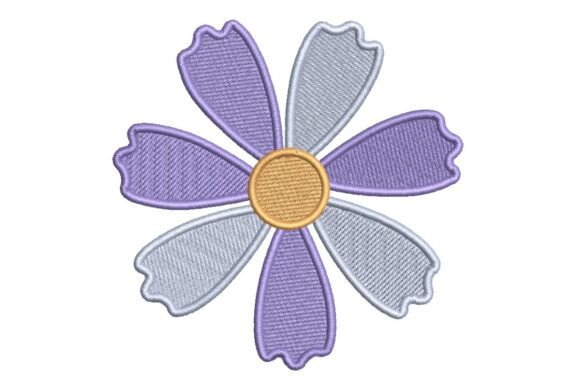
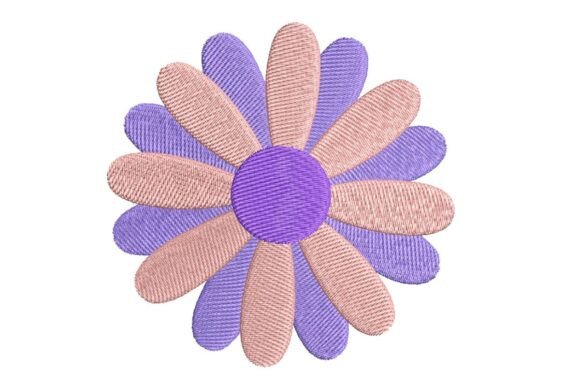
The immediate appeal of this design lies in its softness. The alternating pastel petals, rendered in textured light pink and light purple hues, create a gentle, inviting aesthetic. Unlike bold, high-contrast florals that demand attention, this daisy whispers. It feels organic and hand-drawn, which is crucial for maintaining the authentic charm of a handmade product.
The layout is balanced, avoiding the common pitfall of asymmetrical weight that can cause fabric puckering. The visual personality is calm and cheerful, fitting perfectly into the Single Flowers category without feeling isolated or incomplete. For those of us running a craft business, having assets that convey warmth without being overly childish is a significant advantage.
Real-World Application: The Tote Bag Test
To truly judge an embroidery file, you must imagine it stitched out. I visualized this design on a natural canvas tote bag, a staple for any Etsy seller. The pastel tones would pop beautifully against the neutral beige background, offering a subtle yet distinct branding element. The textured fill stitches suggest a tactile quality that customers love to touch, increasing the perceived value of the finished product.
Beyond totes, consider sweatshirt embroidery. Placed on the left chest of a heather grey crewneck, this daisy acts as a delicate accent rather than an overwhelming graphic. It transforms basic apparel into a personalized gift or a boutique-ready item. The design’s scale appears versatile enough for baby embroidery on onesies, where soft colors and simple shapes are preferred for both aesthetics and comfort.
Stitching Performance and Technical Considerations
When evaluating any digital embroidery file, stitch density is paramount. This design utilizes a mix of techniques that likely include fill stitch for the petals and potentially satin stitch or running stitch for outlines or centers. The description mentions "textured" petals, which implies a deliberate variation in stitch direction to mimic natural flower textures. This is excellent for visual depth but requires careful handling.
For custom apparel made from stretchy fabrics like jersey knits, a proper stabilizer is non-negotiable. The textured fills could pull on thin materials if not supported correctly. I recommend testing on scrap fabric first to gauge how the thread interacts with your specific material. If you are creating an embroidered patch, the density might need adjustment to ensure the patch remains flexible and does not become too stiff.
Fabric and Hoop Constraints
While the design is charming, it demands respect regarding placement. On dark fabrics, the pastel thread colors may lack contrast unless you use high-sheen rayon or polyester threads specifically chosen for vibrancy. Always check thread color contrast before committing to a full production run. Additionally, curved surfaces like caps require careful hooping. Ensure the hoop size accommodates the design without distortion, especially if the daisy is part of a larger arrangement.
Avoid placing this design in areas prone to heavy friction or frequent washing without reinforcing the back. While durable, textured fills can snag if exposed to rough handling over time. For holiday embroidery projects like tea towels or pillow covers, the design holds up well, provided the fabric weave is tight enough to support the stitch count.
Commercial Viability and Brand Consistency
For small shop product lines, consistency is key. This daisy fits seamlessly into a broader theme of spring or pastel-themed collections. It enhances brand recognition by offering a signature look that is both professional and approachable. When used in printable mockup previews, the design translates well, helping potential buyers visualize the final item.
However, before selling items featuring this design assets, you must confirm licensing terms. Not all files allow for commercial use of the finished product. Check whether the license permits unlimited sales or if there are restrictions. This step is critical for maintaining professionalism and avoiding legal issues down the line.
Practical Designer Notes
Before launching this design into your workflow, consider these practical steps:
- Test on Scrap Fabric: Always run a test stitch-out to check for thread breaks or nesting.
- Check Thread Colors: Pastels can look washed out on certain screens; verify physical thread matches your vision.
- Review Stitch Density: Ensure the density is appropriate for your fabric weight to prevent puckering.
- Confirm Hoop Size: Make sure your machine’s hoop can accommodate the design dimensions comfortably.
- Inspect Small Details: Zoom in to check for tiny, isolated stitches that might not sew out cleanly.
- Mockup in Black and White: This helps identify contrast issues and shape clarity independent of color.
- Compare Backgrounds: Test the design on both light and dark fabrics to assess versatility.
- Use Proper Stabilizer: Match the stabilizer type to the fabric texture for optimal results.
- Verify Licensing: Confirm if the file allows for commercial sales of finished goods.
Final Verdict
The Two-Tone Pastel Daisy Flower Embroidery Design is a thoughtful addition to any designer’s library. It excels in creating soft, appealing visuals for tote bag design, baby clothes, and boutique apparel. Its strength lies in its textured appearance and gentle color palette, which resonate well with customers seeking unique, handmade items. By paying attention to fabric choice, stabilization, and licensing, you can leverage this design to enhance your commercial embroidery offerings and build trust with your audience. It is a reliable, aesthetically pleasing tool for creating memorable, high-quality products.