Review: Spooky Reads Embroidery Design for Crafters
As a designer who has spent countless hours digitizing and testing machine embroidery designs, I have learned that the difference between a good file and a great one often lies in the details. When I first loaded the Spooky Reads Embroidery Design into my software, I was looking for more than just a cute seasonal motif. I wanted to see if this cozy ghost reading atop books with a pumpkin and coffee could hold up under the scrutiny of real-world production. For Etsy sellers, small shop owners, and hobbyists alike, the visual appeal is only half the battle. The stitching quality, layout balance, and versatility are what determine whether a design becomes a bestseller or ends up in the digital trash bin.
First Impressions and Visual Personality
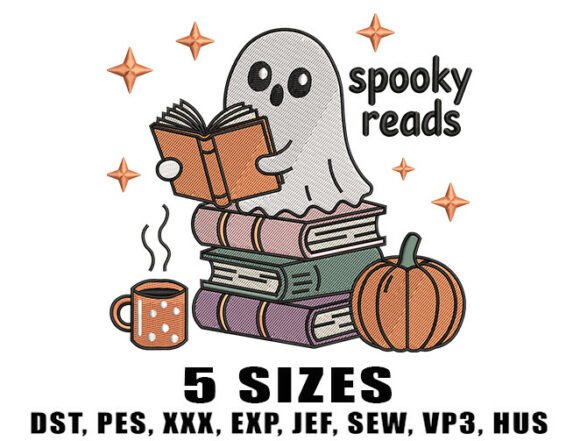
The immediate mood of this design is warm and inviting, which is a refreshing take on typical Halloween imagery. Instead of relying on scary or grotesque elements, it leans into the "cozy autumn" aesthetic that has become increasingly popular in home decor and apparel. The composition features a ghost engrossed in a book, surrounded by stacked volumes, a pumpkin, and a steaming cup of coffee. This narrative element makes it perfect for book lovers and crafters who want to celebrate the season without being overly spooky.
From a layout perspective, the balance is solid. The vertical stacking of the books provides a stable base for the ghost, while the pumpkin and coffee cup add lateral weight to prevent the design from looking too tall or narrow. For an embroidery project, this kind of balanced composition is crucial because it minimizes the risk of fabric puckering caused by uneven stitch distribution. The visual personality is playful yet sophisticated, making it suitable for a wide range of products beyond just children’s items.
Real-World Application and Versatility
To truly evaluate a machine embroidery design, you have to imagine it stitched out on various substrates. I mentally placed this design on several common items to test its viability. For custom apparel, such as a sweatshirt embroidery project, the mid-range sizes would work beautifully on the left chest or centered on the back. The theme resonates well with the current trend of literary-themed clothing, appealing to teachers, librarians, and avid readers.
For home goods, this design shines as a tote bag design. A canvas tote with this motif stitched in earthy tones—burnt orange, cream, and deep brown—would be a strong seller for any craft business during the fall season. It also translates well to kitchen textiles. Imagine this embroidered on a flour sack tea towel or an apron; it adds a personalized gift touch that feels thoughtful and handmade. Even for baby embroidery, the smaller sizes could be adapted for a nursery bib or a onesie, provided the thread colors are softened to pastels or muted neutrals.
The availability of five sizes is a significant advantage for commercial embroidery. With Sizes 1 through 5 ranging from 3.8 inches to 7 inches, you have the flexibility to scale the design for different hoops and products. The smallest size is ideal for an embroidered patch or a hat brim, while the largest size can make a bold statement on a pillow cover or a blanket. This scalability allows small shop product lines to remain consistent across different item types, strengthening brand recognition.
Technical Considerations for Stitching
While the design is visually appealing, there are technical aspects to consider before hitting the start button on your machine. Any design featuring stacked objects like books requires careful attention to stitch density. If the fill stitch areas are too dense, the fabric may pucker, especially on thinner materials. I recommend testing the design on scrap fabric first to gauge how the machine handles the transition between the book spines and the ghost’s outline.
The use of satin stitch for the book spines and coffee cup details likely provides a nice sheen and definition, but it must be balanced with running stitch or lighter fill stitch in the background areas to maintain stability. When working on stretchy fabric, such as t-shirts or baby clothes, using a proper stabilizer is non-negotiable. A cut-away stabilizer would provide the necessary support for the layered look of the books, ensuring the finished product remains flat and professional after washing.
Color choice plays a pivotal role in the success of this design. On dark fabric, you will need high-contrast thread colors to ensure the ghost and the text details remain visible. Conversely, on light fabric, subtle shading can bring out the depth of the pumpkin and the steam from the coffee. I advise reviewing the design in black and white mockups to check for clarity. If the details blend together in monochrome, they may get lost when stitched, particularly in smaller hoop sizes.
Navigating Challenges and Best Practices
There are specific scenarios where this design should be used with caution. Curved surfaces, like caps, can distort the rectangular shape of the books. If you plan to use this for headwear, stick to the smaller sizes and ensure you are using a cap frame to minimize distortion. Additionally, tiny lettering or fine details in the book titles may not stitch out cleanly if the design is scaled down too far. Always inspect the smallest size closely in your embroidery software to ensure the stitch count and resolution are sufficient for clear output.
For those selling digital embroidery files or finished products, understanding the licensing terms is essential. Before listing this as a design asset or incorporating it into commercial embroidery projects, confirm whether the license allows for mass production or if it is limited to small batch handmade products. This due diligence protects your business and ensures you are respecting the creator’s rights.
Final Verdict for Makers and Sellers
The Spooky Reads Embroidery Design is a strong contender for any autumn-themed collection. Its blend of cozy aesthetics and clear thematic elements makes it highly marketable for Etsy sellers and boutique owners. The variety of sizes offers practical flexibility, allowing for creative adaptation across apparel, home decor, and accessories. However, success depends on thoughtful execution. Pay attention to fabric texture, choose your thread colors wisely, and always test stitch before committing to a final product.
By treating this design as a versatile component of your broader holiday embroidery strategy, you can create items that resonate with customers looking for warmth and whimsy. Whether you are creating a personalized gift for a friend or stocking your small shop with seasonal merchandise, this design provides a solid foundation for high-quality, engaging embroidery work. Just remember to check the specific file formats and compatibility with your machine, and ensure you have the right stabilizer on hand to achieve that crisp, professional finish that buyers expect.