Review: Orchid Embroidery Design Machine for Craft Fairs
As an embroidery designer who has spent countless weekends behind a booth table, I know that not every machine embroidery design translates well from the screen to the sales floor. When I first loaded the Orchid Embroidery Design Machine file into my software, I was looking for more than just pretty petals. I was looking for a product that would stop a browser in their tracks and convert them into a buyer. This review breaks down how this specific digital embroidery file performs in the real world of handmade markets, Etsy shops, and boutique production.
First Impressions: Elegance Meets Marketability
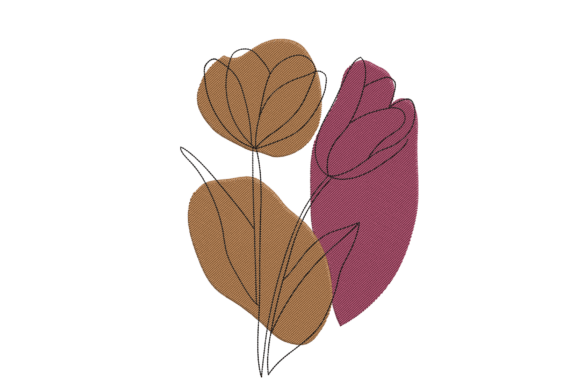
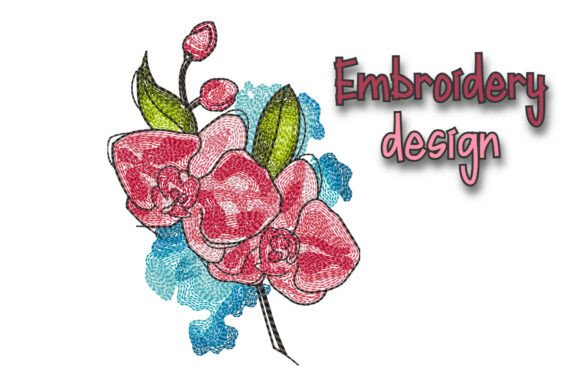
The immediate vibe of the Orchid Embroidery Design Machine is one of understated sophistication. Unlike bold, cartoonish graphics that scream for attention, this design whispers. It fits perfectly into the Single Flowers category, offering a focused, elegant aesthetic that appeals to customers seeking premium, giftable items. The description promises "allure of nature" and "meticulous details," and visually, it delivers a sense of organic flow. For a craft fair seller, this is crucial. It does not look like mass-produced clipart; it looks like art. This perceived value allows you to price your handmade product higher because the design itself carries an air of exclusivity and refinement.
Product Applications: Where This Design Shines
To maximize return on investment, you need to place the right design on the right substrate. Here is how the Orchid Embroidery Design Machine performs across various popular craft fair product categories:
- Tote Bags and Market Bags: This is arguably the best application. A large-scale version of this orchid centered on a canvas tote creates a striking tote bag design. The natural theme resonates with eco-conscious shoppers, and the elegance elevates a simple bag into a fashion accessory.
- Aprons and Kitchen Textiles: For apron embroidery, consider placing a smaller version on the bib or pocket. It adds a touch of class to utilitarian wear. Similarly, for tea towel embroidery, ensure the design is scaled correctly so the delicate lines do not get lost in the weave of the fabric.
- Embroidered Patches: If you sell patches, this design works well if simplified slightly for smaller hoops. However, be cautious with tiny details that might not hold up if the patch is cut too small.
- Pillow Covers and Home Decor: As a focal point on a neutral linen pillow cover, this design adds texture and visual interest without overwhelming the room’s decor. It appeals to the modern farmhouse and minimalist aesthetics simultaneously.
Production Practicality for Small Shop Owners
For any Etsy seller or boutique maker, time is money. The Orchid Embroidery Design Machine appears to be designed with production efficiency in mind, but there are critical factors to verify before running a batch. First, assess the stitch density. Orchids often have layered petals; if the digitizer packed too many stitches into a small area, you risk needle breaks or fabric puckering. Always check the color change sequence. A design with excessive thread trims will slow down your production line significantly.
Photography is another key consideration. Does the design photograph well? Yes, the contrast between the floral elements and negative space usually creates a clean image for your online listings. When creating a printable mockup or taking photos for your shop, ensure you use high-quality thread colors that mimic the natural gradients of an orchid. Cheap, shiny threads can make even the best design look tacky. Invest in matte or satin-finish rayon or polyester threads to maintain that premium look.
Careful-Use Notes and Technical Considerations
While the design is beautiful, it is not foolproof. Here are specific scenarios where you must exercise caution:
- Fabric Texture: Avoid using this detailed design on highly textured towels or thick terry cloth unless you are using a very large hoop size. The tiny details may sink into the pile and become invisible.
- Curved Surfaces: Embroidering on caps requires careful hooping. If the orchid design is wide, it may distort on the curved front panel of a baseball cap. Test on scrap fabric first.
- Dark Fabrics: If stitching on black or navy, ensure you use a bright underlay or stabilizer to prevent the background fabric from showing through the lighter petals. This is a common mistake that ruins the "clean" look of the final product.
- Scale Clarity: Do not shrink this design below its recommended minimum. Intricate floral details lose clarity when reduced too much, turning into a blob of thread rather than a recognizable flower.
Boosting Brand Consistency and Buyer Engagement
Using a cohesive set of designs helps build brand recognition. If your shop specializes in botanical themes, the Orchid Embroidery Design Machine serves as a strong anchor piece. It signals to customers that you value nature-inspired elegance. This consistency strengthens your booth display, making your table look curated rather than cluttered. Buyers engage more with products that tell a story, and a sophisticated floral design invites questions about the process, the fabric, and the inspiration, giving you the opportunity to connect personally with potential customers.
Essential Designer Checklist Before Production
Before you commit to selling finished products featuring this commercial embroidery asset, follow these steps:
- Test on Scrap Fabric: Never run a new design directly on your saleable inventory. Use similar weight and weave scraps to check for puckering or thread breaks.
- Check Stabilizer Compatibility: Match your stabilizer to the fabric. Cut-away for stretchy fabrics, tear-away for stable wovens. The wrong stabilizer can ruin the drape of a garment.
- Verify Hoop Size: Confirm the maximum dimensions of the design fit your machine’s largest hoop if you plan to scale it up.
- Review Licensing: Even though this is a digital embroidery file intended for commercial use, always double-check the specific license terms provided by the creator. Ensure you are allowed to sell physical finished goods.
- Create Real Mockups: Instead of relying solely on digital previews, stitch one sample item to use in your marketing materials. Real photos convert better than generic mockups.
In conclusion, the Orchid Embroidery Design Machine is a versatile and elegant addition to any small shop product lineup. It bridges the gap between artistic expression and commercial viability. By paying attention to fabric choice, stitch quality, and presentation, you can turn this single floral motif into a bestseller at your next market. Remember, the success of a finished product relies not just on the design file, but on the care and expertise you apply during the embroidery process.