Polar Bear Embroidery Design: A Craft Fair Review
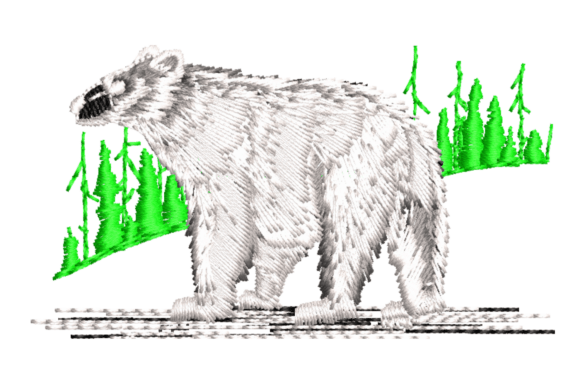
As an embroidery designer who has spent countless weekends behind a craft fair table, I know that the difference between a browser and a buyer often comes down to visual impact and perceived quality. When I first loaded the Polar Bear Embroidery Design into my digitizing software, I was looking for more than just a cute animal motif. I was evaluating its potential as a high-converting craft fair product. This design captures the serene power of the arctic, featuring a calm and majestic polar bear that feels both modern and timeless. For those of us in the business of creating handmade products, finding a design that balances artistic integrity with production efficiency is rare.
First Impressions and Market Appeal
The immediate vibe of this pattern is elegant yet approachable. It does not lean too heavily into cartoonish territory, which makes it versatile for a wider demographic. While it fits perfectly within the Wild Animals category, it avoids the aggressive or overly wild aesthetic sometimes associated with wildlife Embroidery. Instead, it offers a soft, premium feel that appeals to customers looking for winter-themed clothing, children’s apparel, and holiday gifts. In a busy booth, this design stands out because it reads clearly from a distance. The clean lines and balanced composition ensure that it does not look cluttered, a common pitfall in complex digital designs.
For Etsy sellers and small shop owners, this visual clarity is crucial. When customers scroll through online listings, they need to understand the subject matter instantly. This machine embroidery design delivers that instant recognition. It feels decorative enough to be a focal point but minimal enough to fit into a modern farmhouse or rustic aesthetic. This versatility allows you to market it across multiple niches without rebranding your entire shop.
Product Versatility and Application
To truly test a design, you must imagine it on various substrates. I evaluated how this polar bear pattern performs on standard best-sellers. On a canvas tote bag design, the bear serves as a strong central graphic. The white and light gray thread colors pop against natural cotton or navy blue fabric, creating a high-contrast look that photographs beautifully for your printable mockup needs. For kitchen linens, such as tea towel embroidery, the design adds a touch of seasonal charm without overwhelming the utility of the item. It works exceptionally well as a corner accent or a centered feature on flour sack towels.
When considering apron embroidery, this design shines on bib-style aprons. The majestic nature of the bear elevates the garment from a simple kitchen tool to a giftable item. For smaller items like embroidered patch creations, the design holds up well if scaled correctly. Patches are high-margin items at craft fairs, and a well-digitized animal face can drive impulse buys. However, you must be mindful of the stitch density. If the design is too dense for a small patch, it may cause puckering. Always check the embroidery file settings before committing to batch production.
Caps present a unique challenge due to their curved surface. This polar bear design can work on dad hats or beanies, but only if the hoop size is appropriate and the stabilizer is robust. The serene expression of the bear translates well to the limited space of a cap front, provided the details are not too fine. For pillow covers and market bags, the design acts as a statement piece, adding value to what might otherwise be a plain textile product.
Production Practicalities for Small Shops
From a production standpoint, repeatability is key. A small shop product must be easy to reproduce consistently. This design appears to have manageable stitch counts, though you should verify the exact numbers in your specific digital embroidery file. Batch production becomes feasible when the design does not require excessive thread changes or complex trimming. The color palette suggested by the arctic theme—whites, grays, and perhaps a touch of icy blue—is generally easy to source and matches well with popular fabric textures.
However, there are careful-use notes to consider. Dense stitch areas can be problematic on textured towels or thick fabrics like denim. If you are using this for commercial embroidery on heavy materials, ensure you use a cut-away stabilizer to prevent distortion. On dark fabric, the light threads of the polar bear will stand out, but you may need to adjust the underlay stitches to prevent the background fabric from showing through the lighter top stitches. Tiny details, such as the eyes or nose, must be checked for clarity. If these elements are too small, they may get lost or break during washing, reducing the longevity of the finished product.
Enhancing Brand Consistency and Value
Using a cohesive set of design assets helps build brand recognition. If your shop specializes in nature-inspired goods, this polar bear fits seamlessly into a collection that might include wolves, foxes, or owls. It strengthens your booth display by offering a thematic consistency that buyers find appealing. When customers see a well-curated table, they perceive higher quality and are more likely to engage. This design contributes to that perception by looking professional and polished.
For online listings, the way this design photographs can significantly impact sales. The contrast between the white bear and colored backgrounds creates natural visual interest. Use this to your advantage in your product photos. Show the design on different items to demonstrate versatility. A video showing the embroidery machine stitching out the design can also increase buyer confidence in the quality of your handmade product.
Designer Notes for Best Results
Before you launch this design in your store, follow these practical steps:
- Test on Scrap Fabric: Always run a test stitch-out on the exact fabric type you plan to sell. Check for puckering or thread breaks.
- Check Thread Contrast: Ensure your white and gray threads have enough difference in shade to define the bear’s features clearly.
- Review Spacing: Look at the spacing between elements. Tight spacing can cause thread nesting, especially in smaller hoop sizes.
- Confirm Hoop Size: Verify that the design fits comfortably within your standard hoops without hitting the edges.
- Inspect Stitch Density: If the design feels stiff after stitching, consider reducing the density in non-critical areas.
- Use the Right Stabilizer: Match your stabilizer to the fabric weight. Tear-away for stable woven fabrics, cut-away for stretchy knits.
- Create Real Mockups: Photograph the actual stitched item rather than relying solely on digital previews. Authenticity sells.
- Compare Fabric Colors: Test the design on at least three different fabric colors to see which yields the best visual appeal.
- Confirm Licensing: Always check the license terms of your digital embroidery file to ensure you are allowed to sell finished products commercially.
In conclusion, the Polar Bear Embroidery Design is a strong contender for any embroidery business owner looking to expand their winter or wildlife collection. It offers the right balance of aesthetic appeal and production feasibility. By paying attention to the technical details and leveraging its visual strengths, you can create products that not only look beautiful but also sell well at craft fairs and online markets.