Reviewing the Broom Quacker Witch Design for Real Projects
As a designer who spends half my life staring at digitized files and the other half pulling bobbins out of jammed machines, I have learned to look past the glossy preview images. We all know that what looks perfect on a screen can sometimes turn into a puckered mess on fabric. When I first loaded the Broom Quacker Embroidery Design, Witch into my software, I was not just looking for cute Halloween decor. I was evaluating whether this file could hold up in a real commercial environment. Could it survive a wash cycle on a tote bag? Would it look professional on a child’s sweatshirt? Here is my practical breakdown of how this design performs when the needle actually hits the cloth.
First Impressions and Visual Personality
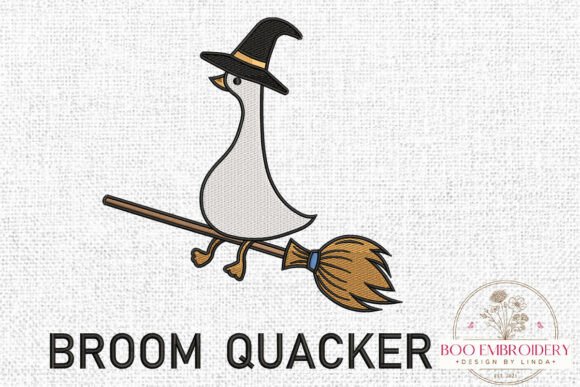
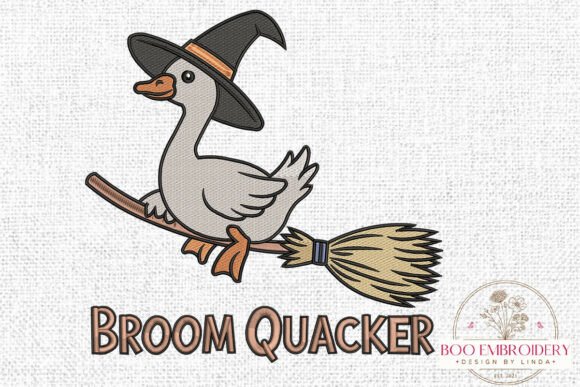
The immediate appeal of this design lies in its whimsical character. It is not your standard, scary witch silhouette. Instead, it offers a quirky, approachable vibe that fits perfectly into the modern trend of "spooky cute." The layout appears balanced, with a clear focal point that draws the eye without overwhelming the surrounding negative space. For an embroidery project, this balance is crucial. If a design is too dense or cluttered, it loses definition after stitching. This particular motif seems to rely on clean lines and distinct shapes, which suggests it will translate well to various thread colors without losing its identity.
The mood it creates is lighthearted and fun. This makes it versatile beyond just October. While it is firmly rooted in the Halloween category, the playful nature of a duck on a broom allows it to cross over into general fantasy or nursery themes if you adjust your color palette. For Etsy sellers and small shop product creators, this versatility is a significant asset. You are not limited to one seasonal window if you market it correctly as a whimsical character piece.
Real-World Application: The Tote Bag Test
To truly understand the value of a machine embroidery design, you have to imagine it on a physical product. I visualized this design stitched onto a natural canvas tote bag design. Canvas is a sturdy fabric, but it has a visible weave. Designs with very fine details can get lost in the texture. However, the Broom Quacker appears to have sufficient weight in its main elements. The broom handle and the duck’s body likely utilize fill stitch areas that will cover the fabric grain effectively, providing a solid, professional look.
If I were producing this for a craft business, I would pair it with a bold orange or deep purple thread for the witch’s hat and a bright yellow for the duck. The contrast against a neutral beige or black canvas would make the finished product pop. This kind of high-contrast application builds customer trust because it shows attention to detail. A muddy, indistinct image suggests low quality, whereas crisp, vibrant stitching signals a premium handmade product.
Sweatshirts and Custom Apparel
Moving from bags to clothing, let’s consider sweatshirt embroidery. Fleece and cotton blends are forgiving, but they are also thick. The design needs to be robust enough not to sink into the pile of the fabric. This is where checking the stitch density becomes vital. If the digitizer has used too many underlay stitches, the garment might pucker. If there are too few, the design might look flat. Based on the visual complexity, this design seems suitable for the left chest area of a hoodie or the back of a zip-up. It is small enough to be subtle yet large enough to be recognized from a distance, making it ideal for custom apparel lines.
Technical Considerations for Makers
Before you sell this as a digital embroidery file or use it in client work, there are technical realities to address. Every machine reads code differently. What looks smooth in a preview might require tweaking on your specific hoop.
- Stabilizer Selection: Always use a cut-away stabilizer for stretchy fabrics like t-shirts to prevent distortion over time. For woven towels, a tear-away might suffice, but test first.
- Fabric Texture: On textured fabrics like terry cloth towels, the finer details of the duck’s features might get obscured. Consider using a topping sheet to keep the stitches on the surface.
- Hoop Size: Ensure the design fits comfortably within your hoop with room for margins. Do not push the edges of the hoop, as this can cause flagging and thread breaks.
- Thread Contrast: Test the design in black and white mockups. If the different elements blend together in grayscale, you may need to adjust your thread choices to ensure clarity.
For those creating an embroidered patch, this design is a strong candidate. Patches require dense stitching and often satin stitch borders to prevent fraying. If the file includes a border or if you add one during editing, it could become a best-selling accessory for jackets and bags. However, always verify if the file is intended as an applique design or a standard fill design, as this changes the material requirements significantly.
Commercial Viability and Brand Consistency
For commercial embroidery professionals, consistency is key. You need designs that reproduce reliably across hundreds of units. The Broom Quacker’s simple yet charming aesthetic lends itself well to batch production. It does not rely on microscopic details that are prone to error. This reliability enhances your brand consistency. When customers receive a personalized gift that looks exactly like the photo, they return. When they receive a puckered, messy item, they leave bad reviews.
Furthermore, this design supports printable mockup creation. Because the shape is distinct, it photographs well. You can create compelling social media content showing the design on baby embroidery items, such as onesies or bibs, provided you scale it down appropriately. Just be cautious with baby embroidery regarding scratchy threads; use soft rayon or polyester threads to ensure comfort against sensitive skin.
Final Verdict for Designers
The Broom Quacker Embroidery Design, Witch is a solid addition to any seasonal library. It bridges the gap between holiday-specific decor and year-round whimsical art. Its strength lies in its clarity and charm. However, success depends on your execution. Do not skip the test stitch on scrap fabric. Check your tension. Choose your stabilizer wisely. And always confirm the licensing terms before selling design assets or finished goods. If you treat this file with the respect it deserves, it will elevate your Halloween collection and bring a smile to your customers' faces.
Remember, a great design is only half the battle. The other half is the skill and care you put into the stitching process. Use this design as a foundation, experiment with your thread colors, and watch your small business grow with unique, high-quality creations.