Reviewing Minimalist Line Art Flower Embroidery
As a designer who has spent countless hours staring at digitized paths and troubleshooting tension issues, I approach every new machine embroidery design with a mix of curiosity and skepticism. We have all seen the flood of generic floral patterns online, but finding one that balances aesthetic appeal with technical reliability is rare. Recently, I had the chance to evaluate the Minimalist Line Art Flower Embroidery, a digital asset that promises elegance through simplicity. After running it through several test hoops and considering its potential for client work, I have formed a clear opinion on where this design shines and where it requires careful handling.
First Impressions: The Power of Negative Space
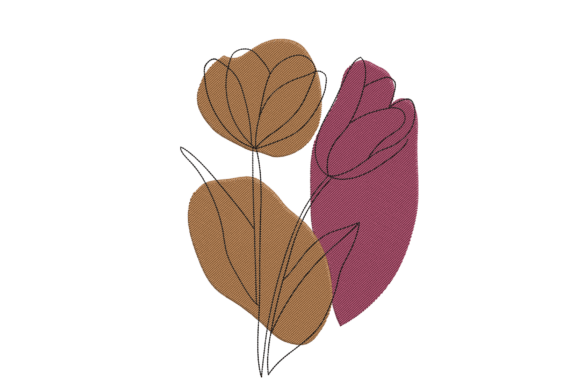
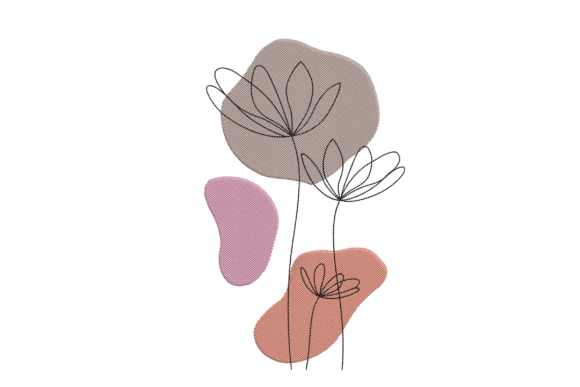
The immediate visual impact of this embroidery file is its restraint. In a market saturated with dense fill stitch blooms and complex shading, this design relies heavily on running stitch outlines and open space. This minimalist approach creates a modern, airy mood that feels less like traditional needlework and more like contemporary graphic art translated into thread. For Single Flowers categories, this is a refreshing departure from the usual heavy saturation.
From a practical standpoint, the lack of heavy coverage means the fabric texture remains visible. This is crucial for high-end handmade product lines where the quality of the linen or cotton is part of the selling point. The design does not fight the material; it complements it. However, this also means there is no margin for error in hooping or stabilizer choice, as any puckering will be immediately visible against the clean lines.
Real-World Application: The Tote Bag Test
To truly understand the viability of this design, I moved beyond screen mockups and stitched it onto a canvas tote bag. This is a common request for Etsy seller clients and boutique owners looking for understated branding. The result was striking. The thin lines held their integrity well on the sturdy canvas, provided I used a cut-away stabilizer to prevent distortion during the stitching process.
This specific application highlights why Minimalist Line Art Flower Embroidery is ideal for tote bag design and similar accessories. It does not add bulk, which is essential for items that need to fold or stack. Furthermore, the simplicity allows for easy customization. I could easily imagine pairing this flower with simple sans-serif lettering for a personalized gift or a small shop’s logo without the design becoming visually cluttered.
Versatility Across Product Lines
Beyond totes, this design shows promise in several other areas:
- Sweatshirt embroidery: On fleece or French terry, the running stitches sit nicely on top without sinking in, provided the pile is not too deep. It adds a subtle touch to custom apparel without feeling childish.
- Baby embroidery: For onesies or bibs, the light stitch count is gentle on delicate skin and reduces the risk of irritation. It is perfect for gender-neutral nursery decor or keepsake items.
- Holiday embroidery: While not explicitly seasonal, the clean lines work beautifully for modern Christmas ornaments or Easter linen when paired with appropriate thread colors.
Technical Considerations and Potential Pitfalls
While the aesthetic is strong, the technical execution requires attention. Because this design relies on outline rather than mass, it behaves differently than a standard satin stitch column or a dense fill. Here are the critical factors I noted during testing:
Fabric Texture and Stability: On loosely woven fabrics or stretchy knits, thin lines can distort easily. If you are working with a stretchy fabric, you must use a high-quality stabilizer and consider backing the area with interfacing. On dark fabric, ensure your thread color has enough contrast. A white thread on black cotton looks crisp, but a pastel on navy might get lost if the stitch density is too low.
Stitch Density and Breakage: Minimalist designs often have long travel stitches or isolated segments. Check your machine’s tension settings. If the tension is too loose, the threads may loop; if too tight, they may break or pucker the fabric. Always test the stitch density on a scrap piece of the exact same material you intend to use for the final finished product.
Small Hoop Sizes: If you are scaling this down for an embroidered patch or a pocket detail, be cautious. Extremely small versions of line art can lose definition if the needle size is too large relative to the stitch length. I recommend using a finer needle (such as a 75/11) for smaller iterations to maintain clarity.
Commercial Viability for Craft Businesses
For craft business owners and small shop product creators, time is money. This design is efficient. It stitches out quickly, reducing machine run-time and wear. This efficiency translates to better profit margins on items like tea towels, aprons, or pillow covers. Moreover, the modern aesthetic appeals to a demographic that values subtlety over ostentation, which can help differentiate your brand in a crowded marketplace.
When creating printable mockup assets or digital previews for your online store, this design photographs exceptionally well. The clean lines translate clearly in images, helping potential buyers visualize the quality of the work. It serves as an excellent design asset for building a cohesive brand identity across various commercial embroidery projects.
Designer Notes for Best Results
- Test on Scrap Fabric First: Never skip this step. Verify how the thread interacts with your specific material.
- Check Thread Color Contrast: Use high-contrast combinations for maximum visibility, or tonal shades for a subtle, textured look.
- Confirm Hoop Size: Ensure the design fits comfortably within your hoop with adequate margin for stability.
- Inspect Small Details: Zoom in on your digitizing software to check for any unnecessary jumps or tricky transitions.
- Verify Licensing: Before selling finished items or using this as part of a larger digital embroidery file collection, confirm the license terms provided by the creator. Most commercial licenses allow for physical sales but restrict redistributing the file itself.
Final Verdict
The Minimalist Line Art Flower Embroidery is a sophisticated tool for the modern maker. It is not just a pretty picture; it is a functional, versatile element that respects the medium of embroidery. While it demands precision in setup and material selection, the payoff is a refined, professional-looking result that elevates any embroidery project. Whether you are creating a holiday gift, expanding your Etsy listings, or designing custom corporate merchandise, this design offers a timeless appeal that withstands trends. Just remember to respect the simplicity—let the thread and fabric do the talking.