Review: Golden Trumpet with Sound Waves Design
As a designer who has spent years staring at digitized files and watching needles punch through fabric, I have learned that not every pretty picture translates into a quality machine embroidery design. When I first loaded the Golden Trumpet with Sound Waves Embroidery Design into my software, I was looking for more than just aesthetic appeal. I wanted to know if this file would hold up under the pressure of a real-world embroidery project. Would it look professional on a client’s custom apparel, or would it get lost in the noise of poor stitch placement? Here is my practical assessment of how this vibrant motif performs in the studio and on the sales floor.
First Impressions: Visual Energy and Layout
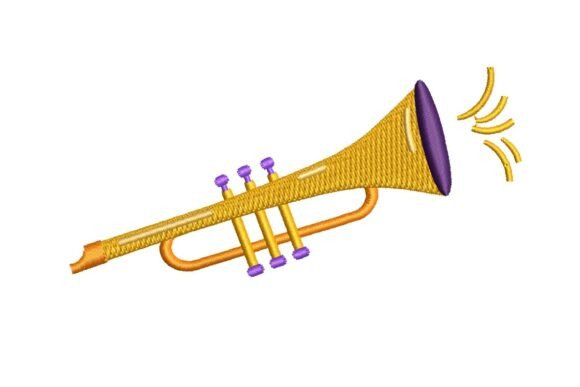
The immediate mood of this design is cheerful and dynamic. The stylized trumpet, angled as if mid-performance, creates a sense of motion that is often difficult to capture in static thread art. The use of textured golden-yellow combined with orange accents gives the instrument depth without relying on excessive shading, which can sometimes look muddy when stitched out. The sound waves are a clever addition, transforming a standard musical icon into a narrative piece about joy and expression.
For those of us in the Music niche, finding designs that feel modern rather than clip-art-ish is a challenge. This layout feels balanced. The curvature of the trumpet leads the eye naturally toward the sound waves, creating a cohesive unit rather than two disjointed elements. It feels like a design that belongs on items meant to be seen and enjoyed, rather than hidden away.
Real-World Application: From Totes to Tees
I recently tested this concept for a local jazz ensemble needing merchandise for their summer tour. We needed something that would pop on dark cotton but remain legible on lighter blends. The Golden Trumpet with Sound Waves Embroidery Design proved versatile. On a canvas tote bag design, the bold lines held their shape beautifully, providing a sturdy graphic that didn’t distort the fabric. The golden threads caught the light, giving the handmade product a premium feel that justified a higher price point for the Etsy seller or boutique owner.
We also applied it to a heavyweight fleece sweatshirt. Here, the design’s simplicity worked in its favor. Complex details often sink into plush fabrics, but the clear outlines of the trumpet remained crisp. For sweatshirt embroidery, clarity is king, and this file delivers. It also works well as a personalized gift for music teachers or band students, adding a touch of personality to standard school gear without overwhelming the garment.
Technical Performance and Stitch Quality
When evaluating any digital embroidery file, I look closely at stitch types. This design appears to utilize a mix of fill stitch for the body of the trumpet and likely running stitch or fine satin work for the sound waves and details. The texture mentioned in the description suggests a thoughtful approach to density, avoiding the cardboard-like stiffness that plagues many amateur designs.
However, practical judgment is required. The golden-yellow thread choice is vibrant, but on white fabric, it may lack contrast. I recommend testing your thread colors against your specific fabric background. A darker gold or even a bronze might offer better definition on light materials, while the standard yellow shines on navy, black, or deep purple. Always check the stitch density in your software before hitting start. If the density is too high for thin fabrics, you risk puckering; if too low, the fabric shows through.
Where to Use Caution
While this design is robust, it is not universal. I would hesitate to use it on very stretchy performance fabrics without a cut-away stabilizer and careful hooping. The sound waves, being finer details, could distort if the fabric shifts during stitching. Similarly, on curved surfaces like caps, the angle of the trumpet needs to be aligned perfectly with the brim to ensure it doesn’t look tilted once worn.
For baby embroidery, consider the softness of the thread. Metallic or shiny rayon threads often used for "golden" effects can be scratchy against sensitive skin. If making items for infants, opt for high-quality polyester or cotton threads that mimic the sheen without the irritation. Also, avoid placing dense fill areas directly over seams or zippers, as this can cause needle breaks or uneven stitching.
Boosting Brand Value and Customer Trust
For craft business owners, the perceived value of a finished product hinges on execution. A clean, well-digitized design signals professionalism. When customers see crisp edges and consistent color coverage, they trust the maker’s skill. This design supports that trust by offering a clean, recognizable image that doesn’t require excessive troubleshooting.
Using this in your commercial embroidery portfolio can help diversify your offerings beyond standard monograms. It appeals to a specific niche—musicians, music lovers, and arts educators—who are often underserved by generic craft stores. By offering high-quality design assets or finished goods featuring this motif, you position your small shop product as curated and thoughtful.
Practical Designer Notes
Before committing to a large run or a client order, follow these steps:
- Test on scrap fabric: Always stitch a sample on the exact material you plan to use. Check for puckering or thread breaks.
- Check contrast: View your design in black and white on your screen. If the sound waves disappear, you may need to adjust thread weights or colors.
- Verify hoop size: Ensure the design fits comfortably within your hoop with room for stabilization. Do not crowd the edges.
- Review licensing: Confirm whether the embroidery file allows for commercial use if you intend to sell the stitched items. Never assume; always read the terms.
- Stabilizer selection: Match your stabilizer to the fabric weight. Heavier fabrics may need less support, while knits require robust stabilization to prevent distortion.
In conclusion, the Golden Trumpet with Sound Waves Embroidery Design is a strong contender for designers looking to add vibrancy to their custom apparel or gift lines. It balances artistic flair with technical feasibility, making it a reliable choice for both hobbyists and professionals. With proper preparation and attention to detail, it can elevate a simple item into a standout piece of wearable art.