Review: Flower Cat Embroidery Designs for Business
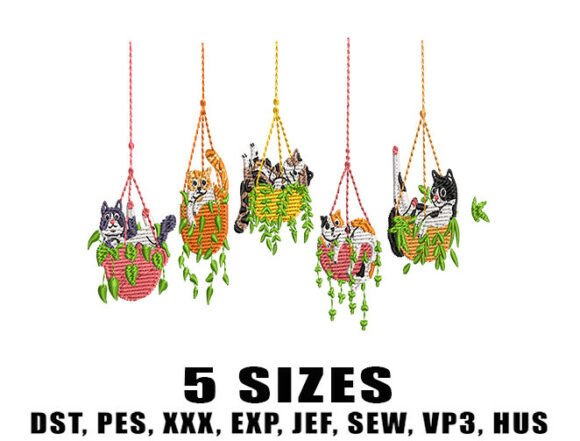
As an embroidery designer who has spent years digitizing files and consulting with small business owners, I approach every new machine embroidery design with a critical eye. It is not just about whether a motif looks cute on a screen; it is about how it performs under the needle, how it translates to fabric, and ultimately, how it serves the brand identity of the client using it. Recently, I evaluated the Flower Cat Embroidery Designs, specifically the collection featuring hanging cats in macramé plant hangers. For boutique owners, Etsy sellers, and creative studios looking to expand their product lines, this collection offers a unique blend of whimsy and craft aesthetic that can drive engagement if used correctly.
First Impressions and Visual Personality
The immediate visual impact of these designs is undeniably charming. The concept of adorable cats lounging in macramé plant hangers taps into two massive trends: the enduring love for feline companions and the bohemian, handmade appeal of macramé decor. From a design perspective, this combination feels rustic yet modern, playful but grounded in a specific lifestyle aesthetic. It does not scream "corporate"; instead, it whispers "artisan." This makes it an excellent choice for brands that want to project warmth, approachability, and a touch of quirky elegance.
For a florist, a pet grooming salon, or a handmade soap maker, this imagery aligns perfectly with a brand identity that values nature, comfort, and creativity. The intricate details of the macramé knots paired with the soft curves of the cat create a balanced composition that is visually interesting without being overly chaotic. However, because the design relies on the interplay between the geometric patterns of the hanger and the organic shape of the cat, careful attention must be paid to thread colors and stitch density to ensure clarity.
Versatility in Small Business Merchandise
One of the strongest assets of the Flower Cat Embroidery Designs is its adaptability across various merchandise types. The collection includes five sizes, ranging from 3.8 inches to 6.8 inches. This range is crucial for commercial embroidery projects. The smaller sizes, such as the 3.8-inch and 4.8-inch options, are ideal for embroidered patches. These can be sewn onto tote bags, denim jackets, or canvas aprons, adding a customizable element to standard products. A local café could use these as limited-edition patches for their loyalty program, creating a sense of exclusivity and community.
The medium sizes, around 5.8 inches, work beautifully as chest logos on staff uniforms or work shirts. For a boutique hotel or a creative co-working space, having staff wear aprons or shirts with this subtle, artistic detail elevates the perceived value of the service. It moves beyond generic branding into the realm of custom apparel that employees are actually proud to wear. The largest size, at 6.8 inches, is substantial enough to serve as a focal point on the back of a tote bag or as a central design on a throw pillow cover. This versatility allows business owners to maximize their investment in a single digital embroidery file by applying it across multiple product categories.
Technical Considerations for Production
While the aesthetic appeal is high, practical application requires technical diligence. Macramé patterns involve repetitive, detailed stitching. If the stitch density is too high, the fabric may pucker, especially on lighter materials like cotton tote bags or thin apron fabrics. I strongly recommend testing the design on a scrap piece of your actual production fabric before running a full batch. Use a appropriate stabilizer—likely a cut-away for stretchy fabrics or a tear-away for stable wovens—to support the weight of the stitches.
Another critical factor is the surface texture. Embroidering on textured fabric, such as terry cloth towels or heavy canvas, can sometimes obscure fine details. The intricate knots of the macramé hanger might get lost if the thread color does not contrast sufficiently with the background fabric. For dark uniforms, consider using a bright or metallic thread for the cat to make it pop, while keeping the macramé in a neutral tone to maintain realism. Always check the spacing between elements; if the design is too dense, it can become stiff and uncomfortable when worn as part of custom apparel.
Strategic Placement and Brand Impact
Where you place this design matters as much as the design itself. On cap embroidery, the curved surface of the front panel can distort wide designs. The 3.8-inch size might fit better here, but you must ensure the hoop size accommodates the curve without causing registration issues. For tote bag design applications, centering the image works well, but consider adding a small text element below or above if you need to reinforce brand recognition. However, avoid tiny lettering near the detailed macramé, as it may not stitch out cleanly.
From a branding standpoint, using Flower Cat Embroidery Designs signals that a business cares about quality and detail. It enhances customer trust by showing that the brand invests in high-quality finished products rather than cheap prints. For Etsy sellers, this design can be a key differentiator. It appeals to buyers looking for unique, handmade product accents that feel personal and thoughtful. When used in printable mockup presentations for client approval, it helps visualize how the design will look on various items, streamlining the sales process.
Designer Notes for Best Results
Before integrating these designs into your commercial embroidery workflow, follow these practical steps:
- Test in Black and White: Run a test stitch in monochrome to check for clarity and definition. If the details blur together in black and white, they may lack contrast in color.
- Verify Hoop Size: Ensure your machine’s hoop can accommodate the largest size you intend to use. The description lists sizes up to 6.8 inches, so confirm your equipment limits.
- Check Commercial Licensing: Always confirm the license terms of the digital embroidery file. Ensure you have the right to use it for physical goods sold for profit.
- Create Mockups: Use design assets to create realistic previews for your marketing materials. Show the design on an apron, a patch, and a cap to demonstrate versatility to potential customers.
- Thread Color Planning: Plan your thread colors carefully. Earthy tones work well for the macramé, while vibrant or pastel shades can highlight the cat, depending on your brand palette.
In conclusion, the Flower Cat Embroidery Designs offer a compelling option for small businesses looking to add personality to their merchandise. With careful attention to technical details like stabilizer choice and thread contrast, these designs can elevate brand identity and create memorable, high-quality products. Whether for a local bakery’s aprons or a pet brand’s tote bags, this collection bridges the gap between playful charm and professional craftsmanship.