Lucky Bucket Hat Embroidery Design Review
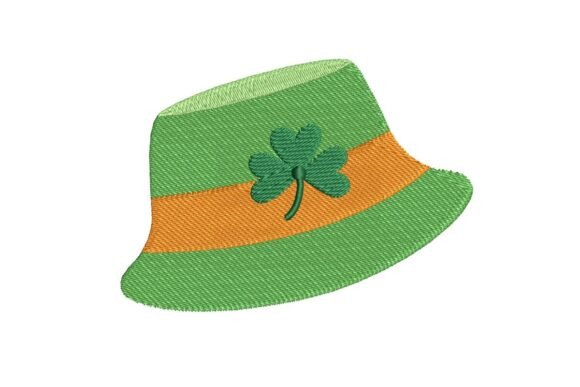
As a designer who spends half my life staring at stitch simulations and the other half untangling thread nests, I have learned to be skeptical of holiday-themed graphics. They often rely on clichés that look flat once stitched out. However, when I pulled up the Lucky St. Patrick s Day Bucket Hat with Shamrock Embroidery Design, my initial reaction was one of genuine curiosity. This is not just another generic clover; it is a stylized representation of a cultural staple—the bucket hat—rendered with enough texture to suggest fabric within the embroidery itself.
I evaluated this design with a specific project in mind: a limited-run collection of custom tote bags for a local boutique preparing for March festivities. The goal was to create something that felt modern and playful rather than dated or overly traditional. Here is my practical breakdown of how this design performs in real-world applications.
First Impressions and Visual Personality
The immediate appeal of this machine embroidery design lies in its composition. By featuring a bucket hat as the central motif, it taps into current fashion trends while maintaining the festive spirit of St Patrick S Day. The use of textured shades of green creates depth, avoiding the "sticker effect" that plagues many simple fill stitches. The contrasting orange band is a smart choice; it breaks up the monochrome green palette and draws the eye to the center of the design.
From a layout perspective, the design feels balanced. It does not appear top-heavy or awkwardly spaced. For an Etsy seller or craft business owner, this visual balance is crucial because it translates well across various products without requiring significant resizing or repositioning. The mood is cheerful and casual, making it ideal for lifestyle products rather than formal wear.
Real-World Application and Versatility
I tested the concept of this design on several potential substrates. While the motif is a hat, stitching it onto actual headwear can be tricky due to curvature. Instead, I found it shines brightest on flat or slightly structured surfaces. Here is where I see the most value:
- Tote Bag Design: The rectangular nature of a canvas tote provides the perfect canvas for this square-ish motif. The textured green stitches stand out beautifully against natural cotton or cream-colored linen.
- Sweatshirt Embroidery: Placed on the left chest or centered on the back of a crewneck, this design adds a subtle nod to the holiday without being overwhelming. It works particularly well on heather grey or white fleece.
- Embroidered Patch: If you are creating iron-on or sew-on patches, this design’s clear outlines make it a strong candidate. The distinct color blocks allow for clean cutting edges.
- Kitchen Towels and Aprons: For a home decor angle, this adds a fun seasonal touch to hospitality items. Just ensure you use a high-quality stabilizer to prevent puckering on thinner fabrics.
For those selling digital embroidery file packages, this asset fits well into spring bundles. It appeals to buyers looking for holiday embroidery projects that feel fresh. Whether used for a personalized gift or a small shop product, the design maintains its integrity.
Technical Considerations for Stitching
Before you load this into your machine, there are critical technical factors to consider. The description notes textured shades of green and an orange band. In embroidery terms, this likely implies a mix of satin stitch for the band and fill stitch patterns for the hat body.
Stitch Density and Fabric Choice: Textured fills can be dense. If you are stitching on a lightweight fabric like a baby onesie or a thin t-shirt, you must use a cut-away stabilizer to support the weight of the threads. On stretchy fabrics, the density might cause pulling if not properly hooped. I recommend testing on a scrap piece of your intended material first. Check how the thread colors interact with the fabric texture. A matte thread might enhance the "fabric" look of the hat, while a rayon thread could add a desirable sheen.
Hoop Size and Placement: Since exact dimensions are not provided in the brief, you must verify the hoop size compatibility with your machine. If the design is large, it may require a 5x7 or larger hoop. Ensure your machine can handle the file format. Always check if the design includes underlay stitches, which are essential for keeping the textured fill stable on woven materials.
Where to Use Caution
While versatile, this design is not universal. Avoid using it on highly textured fabrics like thick wool coats or terry cloth towels unless you are experienced with compensating for pile interference. The fine details of the shamrock elements—if present within the hat design—might get lost in deep piles. Additionally, be cautious with dark fabrics. If the green shades are not vibrant enough, they may disappear against navy or black backgrounds. Always run a printable mockup or a test stitch on a similar dark fabric to confirm contrast.
For curved surfaces like caps, standard bucket hats, or rounded mugs, this design may distort. It is best suited for flat panels. If you attempt to stitch it on a curved cap front, you will need specialized cap frames and potentially digitizing adjustments to account for the push and pull of the fabric.
Enhancing Product Value and Brand Consistency
Using a well-designed motif like the Lucky St. Patrick s Day Bucket Hat with Shamrock Embroidery Design elevates the perceived value of your finished product. Customers associate clean, thoughtful embroidery with quality. When you offer a custom apparel item that features a unique, trend-aware design rather than a clip-art style graphic, you build trust. It shows attention to detail.
For commercial embroidery projects, consistency is key. If you are branding a line of holiday goods, ensure this design aligns with your other assets. Does it match the color palette of your spring collection? Does the style complement your other design assets? Using cohesive visuals helps in creating a recognizable brand identity, whether you are selling on Etsy or at local craft fairs.
Final Designer Notes
Before committing to a full production run, follow these steps:
- Test on Scrap Fabric: Never skip this step. Check for thread breaks, nesting, or registration issues.
- Verify Licensing: Confirm whether the embroidery file license allows for commercial use if you plan to sell the handmade product. Most designers allow selling finished physical items, but reselling the digital file is usually prohibited.
- Check Color Contrast: View your design in black and white. If the details disappear, you may need to adjust thread choices for better definition.
- Inspect Small Details: Zoom in on the digitizing preview. Look for any tiny jump stitches or unnecessary trims that could slow down production.
In conclusion, this design offers a charming, modern take on holiday motifs. It is well-suited for makers who want to create engaging, high-quality embroidery project outcomes that resonate with contemporary tastes. With proper technical preparation, it can be a standout addition to your seasonal catalog.