Golden Foliage Stem: A Designer’s Review
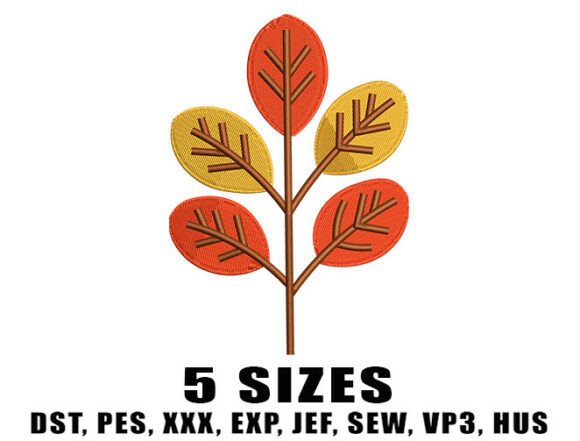
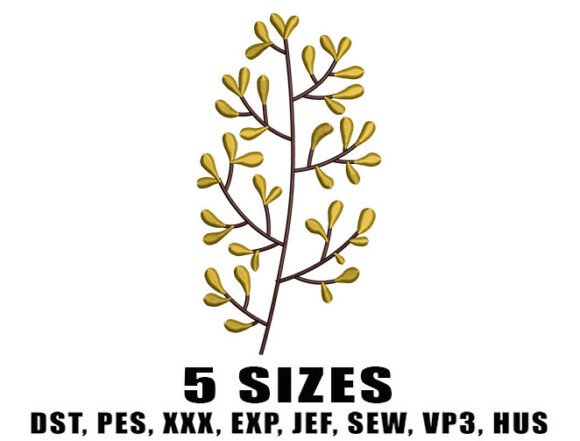
As a designer who spends more time staring at stitch previews than actual fabric, I have learned to be skeptical of floral motifs. The market is saturated with generic leaves and over-complicated vines that look beautiful on a screen but turn into a tangled mess under the needle. However, when I first loaded the Golden Foliage Stem Embroidery Designs into my software, I paused. There is a distinct elegance to this yellow leafy stem that feels less like clipart and more like a deliberate design choice for modern botanical decor.
This isn’t just another autumn leaf. It is a versatile asset that bridges the gap between seasonal novelty and year-round sophistication. In this review, I am breaking down how this design performs in real-world scenarios, from custom apparel to boutique home goods, and what you need to know before you hit "start" on your machine.
First Impressions and Visual Personality
The immediate mood created by this design is one of understated warmth. The layout is organic yet balanced, avoiding the rigid symmetry that often makes embroidery look dated. The detail level is high enough to provide visual interest but restrained enough to maintain clarity. For embroidery designers, this balance is crucial. Too much detail leads to thread breaks and puckering; too little looks cheap. This stem strikes a sweet spot.
The visual personality leans towards the contemporary. While it fits naturally into an Autumn theme, its clean lines allow it to work in spring compositions or as a standalone accent on minimalist projects. It feels intentional, which is exactly what customers look for in a handmade product.
Real-World Application: The Tote Bag Test
To truly evaluate a machine embroidery design, you have to imagine it on a finished product. Let’s consider a common scenario for any Etsy seller or craft business owner: a custom canvas tote bag. Canvas is durable but has a visible weave. If you use a design with low stitch density, the fabric shows through, ruining the effect.
I visualized the largest size of the Golden Foliage Stem Embroidery Designs (6.8 inches) centered on a natural cotton tote. The result? Striking. The yellow tones pop against the neutral background, creating a high-contrast look that draws the eye. Because the design is a single stem rather than a dense bouquet, it doesn’t overwhelm the bag’s structure. It suggests a curated, boutique aesthetic rather than a mass-produced item. This kind of visual appeal directly impacts customer trust and perceived value.
Versatility Across Product Lines
Beyond tote bags, this design shines in several other categories:
- Sweatshirt Embroidery: Placed on the left chest or near the cuff, the smaller sizes (3.8 or 4.8 inches) add a subtle touch of nature to oversized hoodies. It works particularly well with earth-toned fabrics like olive, rust, or charcoal.
- Baby Embroidery: The soft, organic shape is gentle enough for nursery decor. Imagine it stitched on a muslin swaddle or a knit cap. The simplicity ensures it remains cute without being overly juvenile.
- Embroidered Patch: This design is ideal for creating iron-on patches. The clear outline allows for easy cutting, and the satin stitch borders hold up well to wear and tear.
- Holiday Embroidery: While it fits the fall season, pairing it with white thread on a deep green linen towel creates a crisp, winter-ready look for kitchen decor.
Technical Considerations and Stitching Clarity
When evaluating any embroidery file, we must look at the technical execution. How does it handle different fabrics? The Golden Foliage Stem Embroidery Designs appear to rely on a mix of fill stitches for the leaves and potentially satin or running stitches for the stem details. This combination is generally safe, but it requires attention to stitch density.
On textured fabrics like terry cloth or heavy denim, the design holds up well because the shapes are broad enough not to get lost in the pile. However, on thin or stretchy fabrics, such as jersey knits used for t-shirts, you must use a proper stabilizer. Without adequate backing, the pull of the fill stitches could distort the fabric, causing the stem to look wavy rather than elegant.
One area to approach with caution is curved surfaces, like caps. While the 3.8-inch size might fit, the length of the stem could follow the curve awkwardly if not positioned perfectly. Always hoop your cap securely and consider using a water-soluble topping to prevent the stitches from sinking into the twill fabric.
Color Strategy and Thread Choices
The description highlights "elegant yellow," but do not feel bound by traditional gold threads. As a designer, I encourage experimenting with thread colors to match your brand consistency. A muted mustard yellow feels vintage and cozy, while a bright lemon yellow feels modern and energetic. For a monochromatic look, try stitching the entire design in varying shades of cream or beige on a white pillow cover. This subtle approach appeals to buyers looking for sophisticated, neutral home decor.
Always test your thread contrast. On dark fabrics, ensure your yellow is bright enough to stand out. On light fabrics, a deeper gold or even an olive green can provide necessary definition. Reviewing your design in black and white mockups before stitching can help you identify if the contrast is sufficient for readability.
Practical Notes for the Commercial Creator
If you are a small shop product creator or a digital embroidery file seller, here are my final practical notes:
- Test on Scrap Fabric: Never run a new design directly on your final garment. Use a similar weight and texture scrap to check for puckering or thread breaks.
- Check Hoop Size Compatibility: The product offers five sizes, ranging from 3.8 to 6.8 inches. Ensure your machine’s hoop can accommodate the largest size if you plan to use it for larger items like aprons or pillow covers.
- Inspect Small Details: Zoom in on the preview. Are there any tiny, isolated stitches that might cause nesting? Clean up any unnecessary jumps if your software allows it.
- Licensing Verification: Before selling finished items or using this in commercial projects, confirm the license terms. Most designers allow selling finished physical products, but restrictions may apply to digital resale.
- Wash Testing: If creating items for frequent washing, like tea towels or baby clothes, wash your test piece to ensure the threads do not bleed or fray excessively.
Final Verdict
The Golden Foliage Stem Embroidery Designs offer a refreshing take on botanical motifs. They are practical, visually appealing, and versatile enough to support a wide range of custom apparel and home goods. For the handmade product creator, this design reduces the risk of stitching errors while maximizing aesthetic impact. It is a reliable addition to your library of design assets, capable of elevating a simple item into a cherished personalized gift. Whether you are decorating a sweatshirt or creating a boutique branding element, this stem delivers the professional finish your customers expect.