Dancing Skeleton Couple Embroidery Review
As an embroidery designer who has spent years digitizing files for small businesses, I approach every new machine embroidery design with a critical eye. It is not just about whether the art looks cute on a screen; it is about how that art translates to fabric, withstands washing, and elevates a brand. Recently, I reviewed the Dancing Skeleton Couple Embroidery, a piece that promises to add a spooky yet romantic twist to Halloween stitching. For boutique owners, Etsy sellers, and apparel decorators, this design offers more than just seasonal flair—it presents a unique opportunity for branded merchandise that stands out in a crowded market.
First Impressions: Balancing Whimsy and Professionalism
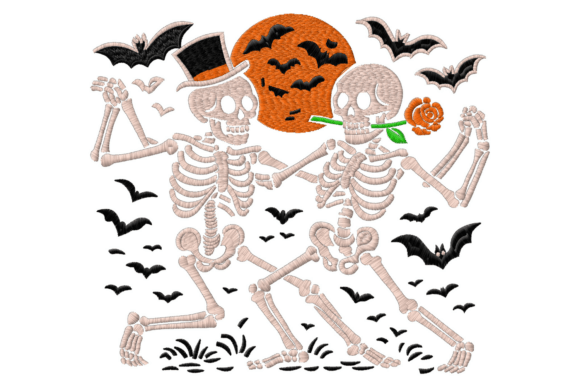
The initial visual impact of the Dancing Skeleton Couple Embroidery is striking. Featuring two playful skeletons—one distinguished by a top hat and the other holding a rose—the design manages to walk the fine line between spooky and sweet. In the world of commercial embroidery, tone is everything. A design that is too scary limits its audience, while one that is too generic fails to capture attention. This piece feels playful and elegant, making it suitable for a wide range of creative studios, from bakeries offering Halloween treats to florists creating seasonal arrangements.
The aesthetic suggests a handmade product quality that customers increasingly value. It does not look like mass-produced clip art; rather, it carries the charm of a custom illustration. For small business merch, this distinction is vital. When a customer sees this on a tote bag or a patch, they perceive higher value because the imagery feels curated and intentional.
Real-World Applications for Small Business Merch
When evaluating a digital embroidery file for business use, I always ask: where can this live? The Dancing Skeleton Couple Embroidery is versatile, but its success depends on strategic placement. Here is how I envision this design performing in real commercial embroidery projects:
- Embroidered Patches: This is perhaps the strongest application. The distinct outlines of the skeletons and the top hat make for excellent patch borders. These can be sold as standalone items or used as branded accents on jackets and bags.
- Apron Embroidery: For cafes and boutiques, staff uniforms are walking billboards. Placing this design on the chest or pocket of an apron adds personality without overwhelming the professional look. It signals to customers that the brand has a sense of humor and style.
- Tote Bag Design: Canvas totes are a staple for handmade brands. The contrast of the skeleton figures against natural or black canvas creates a bold statement piece that customers will actually want to wear, extending your brand reach beyond the store.
- Cap Embroidery: While tricky due to curvature, a simplified version of this design could work on the side panel of a dad hat, offering a subtle nod to the season rather than a loud graphic on the front.
For Etsy branding and craft business assets, this design can serve as a centerpiece for limited-edition drops. It encourages buyer engagement because it tells a story—romance, playfulness, and tradition—all stitched into one motif.
Navigating Technical Challenges and Fabric Constraints
While the artistic merit is high, the technical execution requires careful planning. As a designer, I must warn against blindly trusting the preview image. The details in the top hat and the rose require precise stitch management. If you are working with high stitch density, you risk puckering lightweight fabrics. Therefore, choosing the right stabilizer is non-negotiable. For stretchy materials like t-shirts, a cut-away stabilizer is essential to maintain the integrity of the finished product.
Furthermore, consider the thread colors. The description mentions a top hat and a rose, implying specific color needs. However, if you are embroidering on dark uniforms, you must ensure sufficient contrast. A black thread on a navy shirt will vanish. Always test your embroidery file on the actual fabric texture you intend to use. Textured fabrics like terrycloth or heavy denim can swallow fine details, so you may need to simplify the design or increase the stitch width for clarity.
Another critical factor is size. If you plan to use this as a small chest logo accent, verify that the intricate lines of the skeletons do not merge together. What looks clear at four inches may become a blob at two inches. Always create a printable mockup at actual size to check legibility before hooping your first production piece.
Impact on Brand Identity and Customer Trust
Consistency in brand identity builds trust. Using a cohesive set of design assets like the Dancing Skeleton Couple Embroidery across various touchpoints—packaging, apparel, and social media—creates a recognizable visual language. When customers see this high-quality embroidery on a product, they associate that craftsmanship with your entire brand. It signals professionalism and attention to detail.
Moreover, seasonal designs like this allow businesses to refresh their inventory without rebranding entirely. It shows that your business is active, current, and engaged with cultural moments. For local businesses, this can drive foot traffic and online sales during the Halloween season, turning a simple purchase into a memorable experience.
Practical Designer Notes for Production
Before you commit to a large run of custom apparel or patches, follow these steps to ensure quality control:
- Test in Black and White: Remove color from your view to check if the design holds up based on shape and contrast alone. If it looks muddy in grayscale, it will look messy in thread.
- Check Hoop Size Compatibility: Confirm that the design fits within your machine’s maximum hoop area. Do not assume; measure the digitized dimensions.
- Review Commercial Licensing: Ensure your purchase of the digital embroidery file includes rights for commercial use. Never assume a standard download allows for resale of finished goods.
- Inspect Spacing and Jump Stitches: Look at the stitch file simulation. Excessive jump stitches can lead to thread nests and wasted time. Trim carefully or use software to optimize the path if necessary.
- Create Client Mockups: If you are doing this for a client, present a realistic mockup showing the design on their specific garment type. This manages expectations and reduces revision requests.
In conclusion, the Dancing Skeleton Couple Embroidery is a strong contender for small business merchandise when handled with technical precision. It offers a blend of whimsy and elegance that can enhance brand perception and drive seasonal sales. By respecting the limitations of fabric, thread, and machine capabilities, you can transform this digital asset into a tangible, high-value product that customers will cherish. Remember, the difference between a good design and a great finished product lies in the preparation and testing phases. Take the time to get it right, and your embroidery will speak volumes for your brand.